Inside Musical Theatre at Atlanta Ballet's 2026 Summer Intensives
July 24, 2026
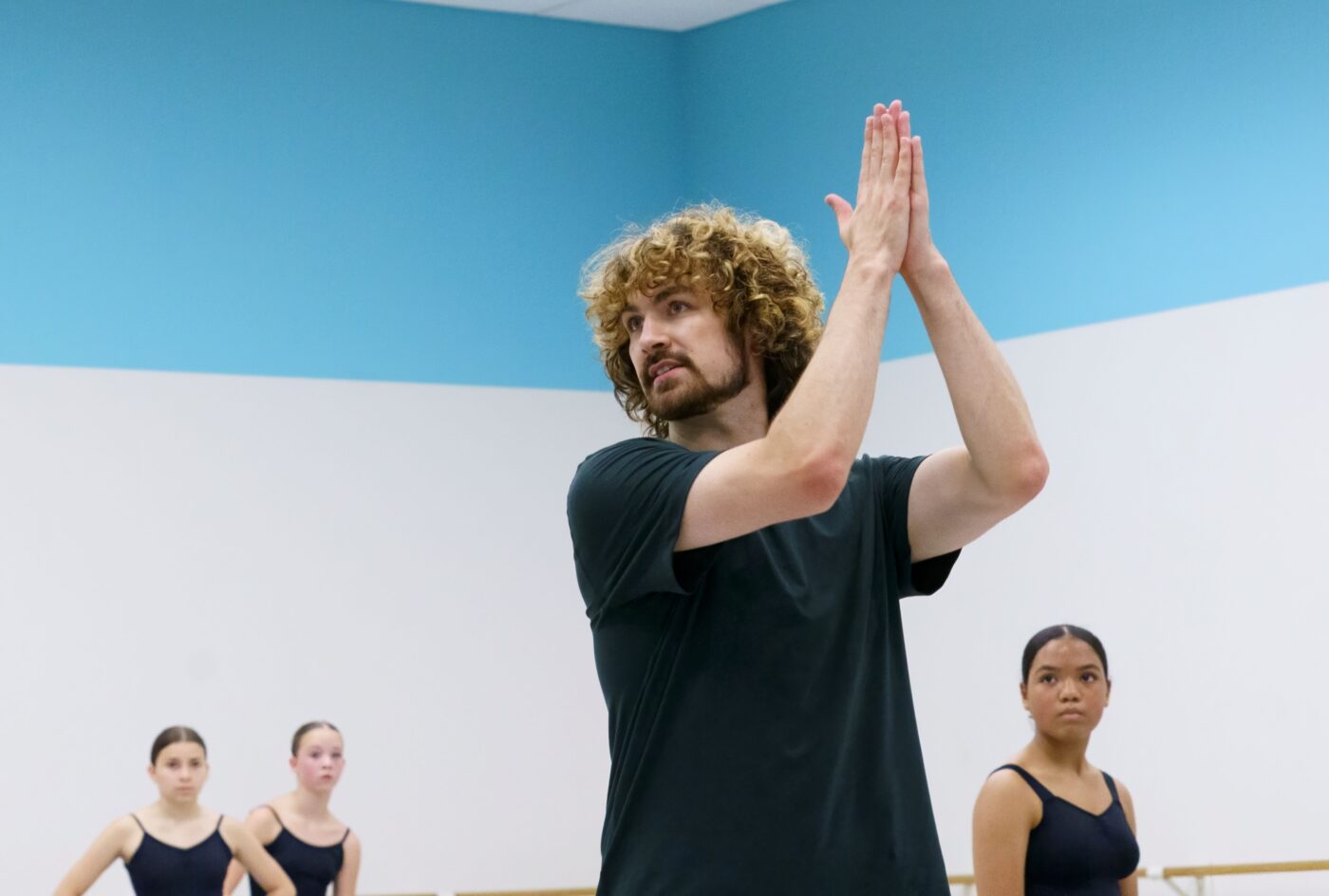
As Atlanta Ballet's 2026 Summer Intensives come to a close, students are wrapping up two to five weeks of intensive training, artistic growth, and unforgettable experiences with Atlanta Ballet company dancers, repetiteurs and faculty, and guest artists from across the dance world. Among this summer's returning guest faculty was George Wilson-Berry, whose Musical Theatre classes have quickly become a favorite among students for their energy, creativity, and storytelling. Now in his third summer teaching at Atlanta Ballet Summer Intensives, Wilson-Berry brings a unique blend of professional performance experience, higher education expertise, and a lifelong love of musical theatre to the studio. We caught up with him to discuss his journey from discovering dance through musical theatre to becoming an assistant dance professor, what makes Atlanta Ballet Summer Intensives students so rewarding to teach, and why versatility, artistry, and a willingness to take risks are essential for today's aspiring performers.
Please tell us about yourself.
I grew up in Atlanta, Georgia, and attended The Galloway School. I first got involved in dance through musical theatre, and that's really what sparked my interest in pursuing dance more seriously. I went on to earn my B.A. in Dance from the University of Alabama. After graduating, I performed professionally with two different companies. I danced with Proia Dance Project, a contemporary ballet company in Atlanta, and later with Roxey Ballet, a classical ballet company in Lambertville, New Jersey, where I spent several seasons performing. Eventually, I returned to the University of Alabama to pursue my MFA in Dance. I was fortunate to receive a full teaching assistantship, and that's where I really discovered my love of teaching. During graduate school, I taught ballet and musical theatre dance courses, and those experiences helped shape the direction of my career. After completing my MFA, I accepted a position at Brenau University in Gainesville, Georgia, where I now serve as an Assistant Professor of Dance. Looking back, it's been an interesting journey — from discovering dance through musical theatre to performing professionally and ultimately finding my passion in higher education. I love that my career allows me to combine performance, teaching, and mentoring the next generation of artists.
This is your third-year teaching Atlanta Ballet Summer Intensives. What do you love about returning to Atlanta Ballet and coaching the students?
One of the things I enjoy most is my students' willingness to try new styles. They constantly surprise me by pushing my choreography further than I initially expect. I'll introduce a movement and wonder if anyone can do it, and suddenly half the class has already figured it out. Then another group is eager to learn it. I love that combination of confidence and curiosity — they're excited to build on what they already know while embracing something completely new. I also enjoy exposing students to the variety within musical theatre. People often think of musical theatre as one dance style, but it really isn't. It's a collection of styles that can range from Fosse-inspired jazz to contemporary, hip-hop, tap, and even ballet. Every production has its own movement vocabulary, so I try to reflect that by introducing different styles at each level. As a fan of musical theatre myself, I love drawing inspiration from different shows. Anything Goes is one of my favorites because of its classic style, and I love watching tap. One of my all-time favorite musical theatre dance sequences is The Waiter’s Gallop from Hello, Dolly! What excites me most, though, is when students want to keep going. With one of my younger groups, they kept asking if we could add more choreography after we had already finished the piece. Instead of just getting through the routine, they wanted to challenge themselves and learn more. That kind of enthusiasm is incredibly rewarding.
Do your students ever burst into song during class?
Absolutely! The younger students especially love singing the songs over and over. The music definitely gets stuck in everyone's head. Last year’s piece from Death Becomes Her is one of those songs you find yourself humming all day, and the cheerleading number was another favorite. When I choreograph for these classes, I always create my own work rather than copying the original Broadway choreography. I'm inspired by the movement and the style of the show, but I want to make the choreography fit my students and what we're trying to accomplish. Since they're not singing while they dance, I can make the choreography more energetic, technically challenging, and movement-focused than it might be in the actual production. When you're choreographing for a musical, you have to think about a lot of practical elements. The performers are singing, so you have to consider their breathing, costumes, staging, and how much movement they can realistically do while delivering vocals. In these classes, I don't have those limitations, which gives me the freedom to tell the story primarily through movement and really lean into the dancing.
How does your choreography change for different age groups?
The biggest difference isn't necessarily the difficulty of the individual movements; it's the complexity of how everything fits together. With younger dancers, I keep the musical counts and formations very clear. The choreography is structured around straightforward counts so they can build confidence while learning new skills. That said, I still like to challenge them with movements they may not have done before. Sometimes I'll introduce steps that are just beyond their comfort zone, and through repetition they gain confidence and master them. Watching that progress is one of the most rewarding parts of teaching. With the older and more advanced groups, I can be much more creative with timing, formations, and musicality. I can stagger entrances, layer movements, have different groups dancing different rhythms, or start phrases on unexpected counts. Their technical experience allows us to explore more complex choreography, which makes the creative process especially exciting.
What skills do students need to succeed in musical theatre?
A strong ballet foundation is definitely helpful. Ballet teaches dancers important technical fundamentals, like turnout, alignment, balance, and how to move the legs efficiently. It also develops an understanding of plié, which is essential for almost every style of dance. Beyond ballet, though, students also need to learn how to be grounded. Not every movement should feel lifted or performed on the balls of the feet. Musical theatre often requires dancers to connect with the floor, bend through the knees, and move with weight and intention. Those qualities are developed particularly well through jazz and modern dance, and they complement ballet beautifully. Jazz also introduces a different kind of coordination. In ballet, movement is often very symmetrical or focused on one side of the body at a time. In jazz and musical theatre, it's much more common for the upper and lower body — or even the right and left sides — to be doing completely different things simultaneously. Developing that coordination is an important skill because it allows dancers to handle more complex choreography. Another key element is core and back stability. Musical theatre choreography often includes sharp directional changes, deep back movements, undulations, and expressive reaches. To perform those movements safely, dancers need the strength and control to support their spine and torso. While ballet certainly provides the technical foundation, I think it's the combination of ballet, jazz, and modern training that really prepares dancers for musical theatre. Each style contributes something different, and together they help dancers become more versatile, coordinated, expressive, and resilient performers.
How important are acting skills in musical theatre dance?
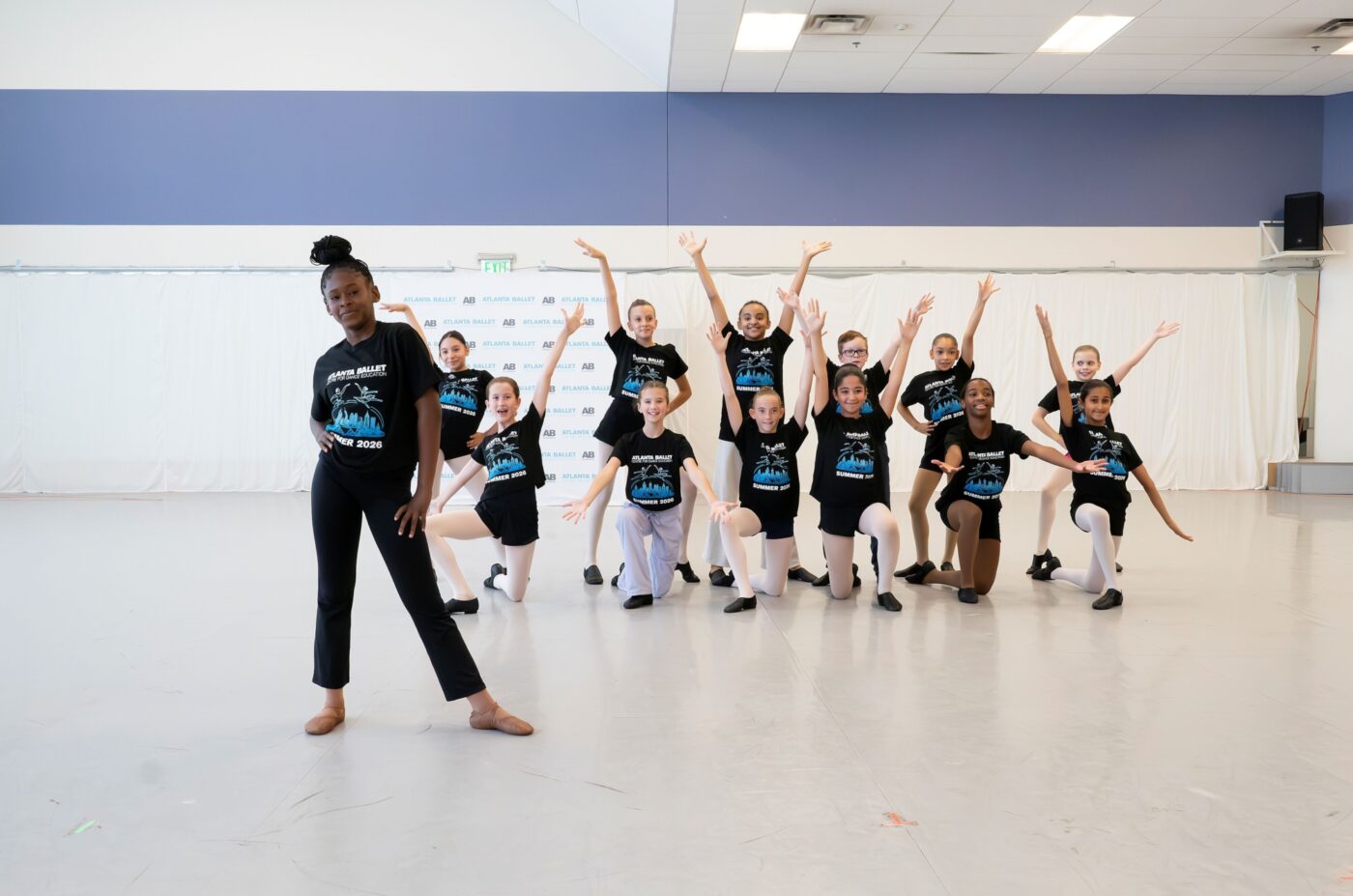
They're incredibly important. Every piece tells a story, and the dancers have to communicate that story through both their movement and their performance. Last summer, for example, one group performed a piece inspired by Mean Girls. The choreography explored the dynamics between two groups — one portraying the confident, cliquish characters and the other representing the more vulnerable group. The students had to show those relationships through their body language and facial expressions. Another group performed a piece inspired by Death Becomes Her. That number had a completely different tone. The song is about the promise of eternal youth, but there's an underlying sense of mystery and danger. I encouraged the dancers to perform with a subtle, sinister quality. The cheerleading-inspired piece was all about energy, confidence, and having fun. I encouraged the dancers to really perform with their faces and project the excitement you would expect from a cheer squad. It's a great reminder that musical theatre isn't just about executing the steps — it's about convincing the audience that you belong in that world. The youngest dancers performed a piece inspired by The Wiz, and they did a wonderful job with the storytelling. I enjoy creating pieces that let students explore a wide range of emotions. Some are playful and energetic, while others are more dramatic or mysterious.
What advice would you give students who are interested in pursuing musical theatre professionally?
My biggest piece of advice is to become as versatile as possible. Strong dance training, especially in ballet and jazz, can open a lot of doors in musical theatre. I teach dancers at a variety of levels, from beginning musical theatre students to advanced dance majors, and one thing I consistently tell them is that dance is often what sets performers apart. In many professional auditions, especially for regional theatre and dance-heavy productions, casting teams are looking for performers who can both sing and dance. If you're a strong dancer who can also sing confidently and musically, you're often in a very competitive position. Dance is frequently one of the first things casting directors evaluate during an audition. In some cases, performers complete a dance call before they're even asked to sing because choreography is such an important part of the production. Strong technical training helps you get through that first stage of the audition process and gives you more opportunities to showcase your other talents. Ultimately, acting, singing, and dancing all work together in musical theatre. The more well-rounded you are, the more opportunities you'll have and the more stories you'll be able to tell on stage.
As the 2026 Summer Intensives come to a close, we extend our heartfelt thanks to every student who spent their summer training, growing, and sharing their passion for dance with us. We are equally grateful to our exceptional guest teachers, repetiteurs, company dancers, pianists, and faculty whose expertise, mentorship, and dedication make the Summer Intensive experience so impactful year after year. We can't wait to welcome everyone back for another inspiring summer in 2027. Registration opens in January 2027, and details about the 2027 Summer Intensive Audition Tour will be announced soon — stay tuned!
Not quite ready for your summer of dance to end? Continue your training this fall at Atlanta Ballet Centre for Dance Education! With classes in ballet, jazz, tap, contemporary, and modern, students can continue building the strong technical foundation, versatility, and artistry that are essential for musical theatre — and every style of dance. We can't wait to welcome you back to the studio this fall!