10 enchanting facts about Giselle
January 14, 2026
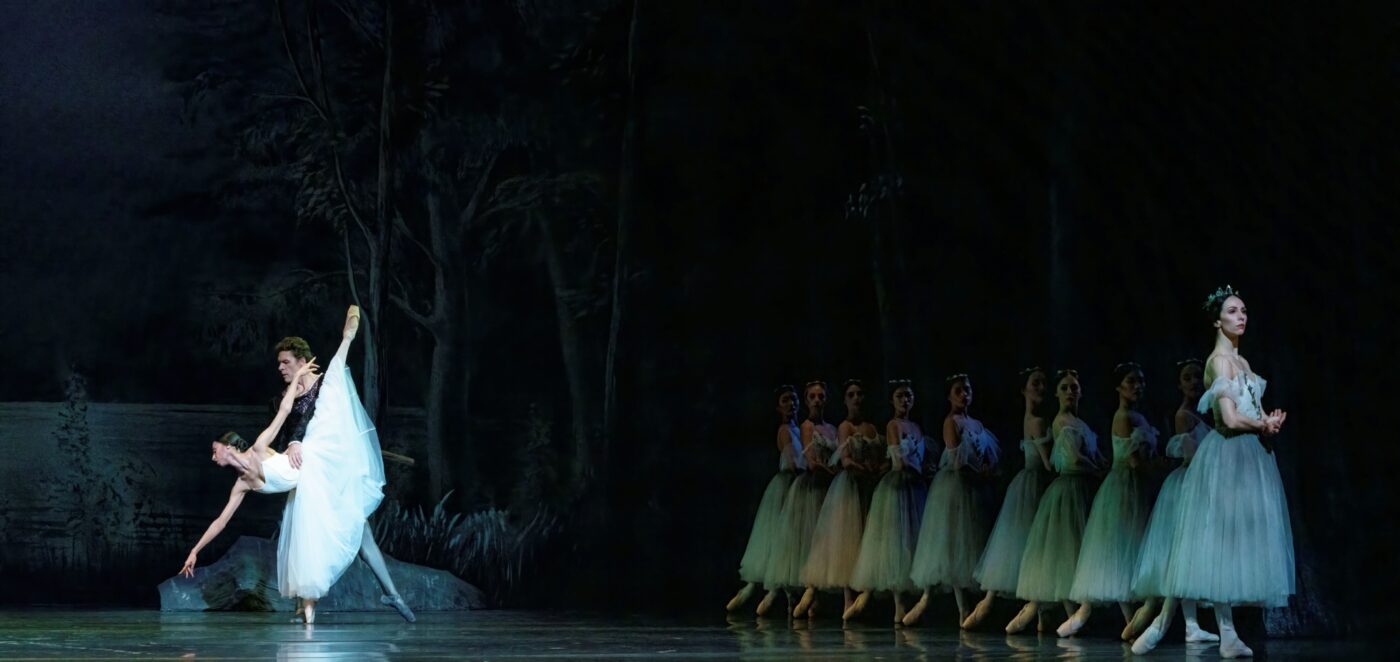
Since its premiere at the Paris Opera on June 28, 1841, Giselle has remained one of the oldest and most beloved fixtures in the global classical repertoire. Here are 10 things you might not know about this romantic masterpiece.
Choreographer Jules Perrot created the lead role for his partner, Carlotta Grisi.
Italian ballerina Carlotta Grisi's debut to the Parisian public was choreographed specifically for her by her romantic and professional partner, Jules Perrot. Her performance was so sensational, Grisi remained the definitive Giselle until 1849. Opposite her, the first Albrecht was performed by Lucien Petipa, the brother of Marius Petipa.
The Peasant Pas de Deux in Act I wasn’t actually part of the original Giselle choreography.
While Carlotta Grisi starred in the title role, fellow dancer Nathalie Fitz-James was determined to have a featured moment of her own. Thanks to her romantic connection with a wealthy banker who was financing the ballet, the Peasant Pas de Deux was added to the production. Because the original composer, Adolphe Adam, was unavailable to write new music, choreographer Jean Coralli used an interpolated score by Friedrich Burgmüller. This addition proved so popular that it has remained a staple of Giselle ever since.
The second act of Giselle was almost lost to history.
Marius Petipa, the legendary choreographer behind Swan Lake, The Sleeping Beauty, and Don Quixote, among others, recreated the choreography for Giselle’s revival. By 1884, more than 40 years after its premiere in Paris, the original choreography for the second act had been largely forgotten. Because he had worked closely with Perrot and his brother was in the original premiere, Petipa was able to recreate it for a major revival at the St. Petersburg Theatre.
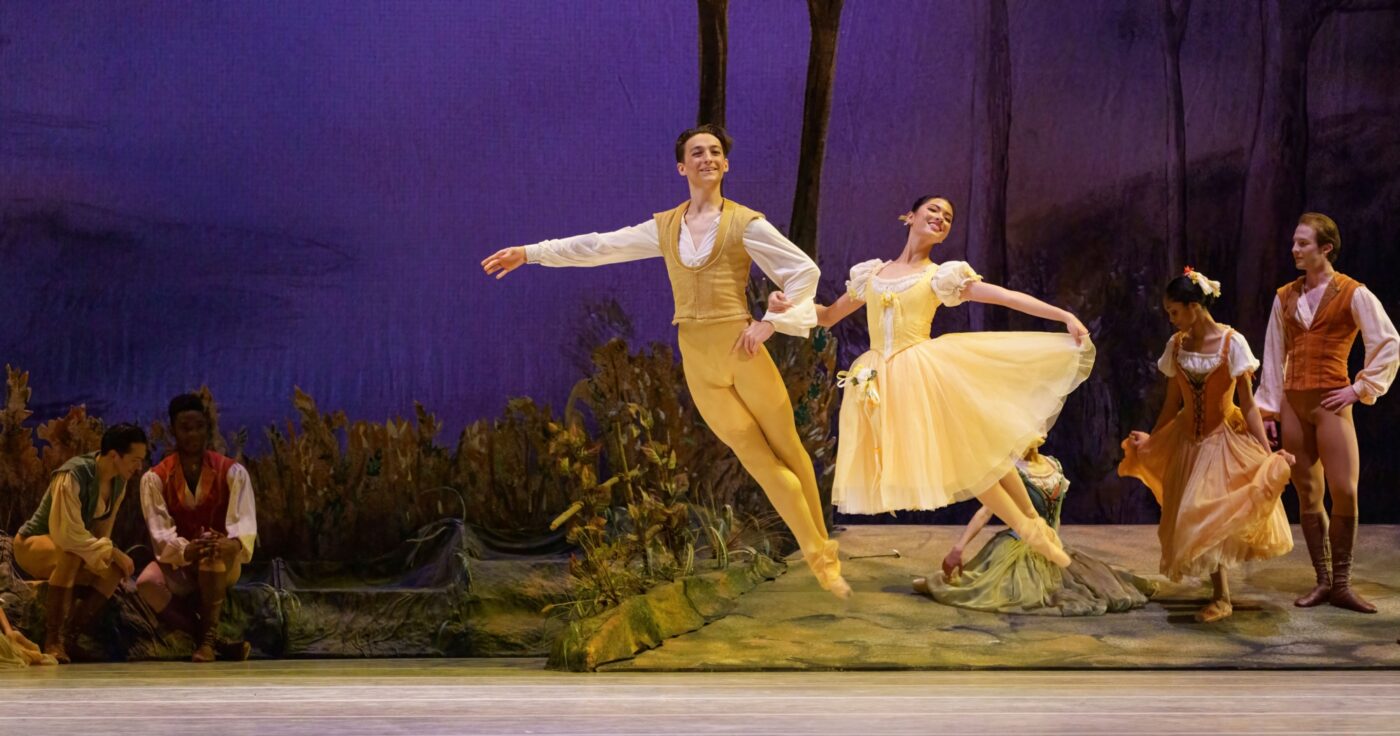
Pantomime sets the stage in story ballets.
In story ballets, the plot is driven by pantomime. These stylized, non-dance gestures translate complex emotions like betrayal or concern into a visual language that everyone can understand, regardless of what language they speak. For example, in Giselle’s “mad scene” at the end of Act I, after discovering Albrecht’s betrayal, she uses her hands and arms to both reveal her anguish and to relive her happiest memories.
Audiences knew Giselle was set in Germany through musical cues.
In 1841, the Waltz was the "sound" of Germany. By having Giselle make her grand entrance to a waltz, the composers were using music to tell the 19th century audience exactly where the story was located.
Giselle was one of the very first ballets performed entirely en pointe.
This new technique allowed dancers to look like they were floating and flying across the stage, perfectly portraying the apparitional beings endemic to ballet's Romantic Era. While La Sylphide and Giselle were among the first to showcase this new technique, it was the success of these ballets that drove its further development, eventually cementing pointe as an essential element of the ballerina's vocabulary.
The ghostly Wilis share the same artistic DNA as Frankenstein and Jane Eyre.
Born from the Romantic Era, Giselle championed emotion and the supernatural as a creative rebellion against the Industrial Revolution. In ballet, Gothic supernatural female characters such as Sylphs, Wilis, and ghosts dominated storylines, captivating audiences and embodying ideals of beauty, mystery, and otherworldliness, with these pivotal roles elevating the female dancer at a time when men had previously been the primary stars, effectively shifting the spotlight to the ballerina.
Giselle was at the center of a fashion revolution.
The Romantic Era was defined by long, bell-shaped white skirts that grazed the ankles. This was made possible by the use of tulle, a new fabric technology of the time that allowed for freer movement and created the "weightless" look we associate with classical ballet today.
Giselle is also known as the ‘Hamlet of Ballet’.
Since its premiere at the Paris Opera on June 28, 1841, Giselle
has remained one of the oldest and most beloved fixtures in the global classical repertoire. The production swept across Europe, Russia, and the United States, eventually earning its title as the 'Hamlet of Ballet' for its immense dramatic depth and technical challenge.
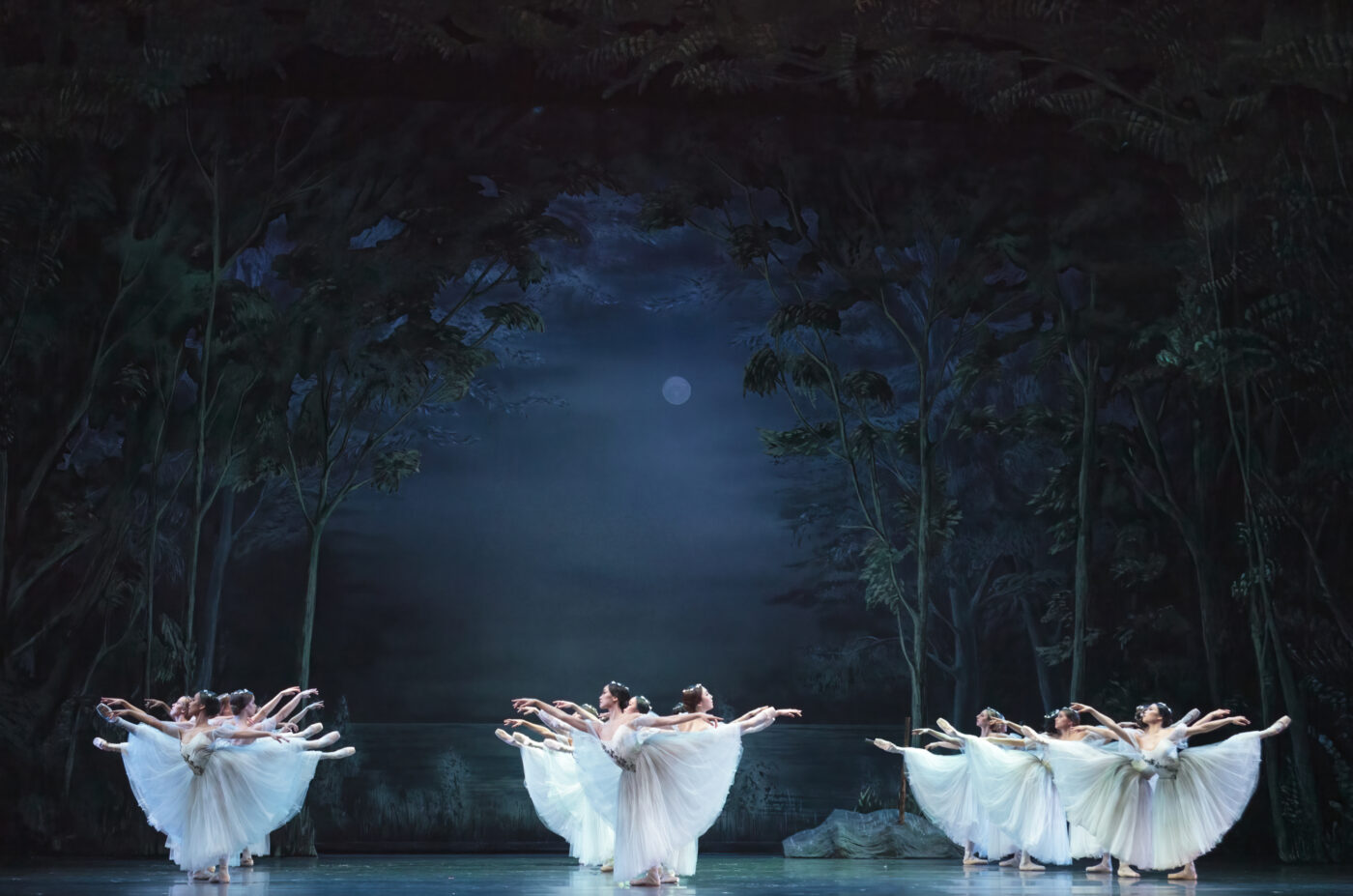
Giselle is defined by the 'ballet blanc'.
Also known as the 'white act', this type of scene is a hallmark of the Romantic Era. While traditional classical ballet often relied on short dances meant for pure entertainment—like the second act of The Nutcracker— ballet blanc utilized the full power of the corps de ballet to create a haunting, introspective atmosphere.
Witness the enduring beauty of Giselle at the Cobb Energy Centre from February 13–15, 2026. Purchase your tickets today to experience this timeless tale of love and betrayal.