Designing Plagued Houses: Swords, Shadows and Shakespeare
September 15, 2026
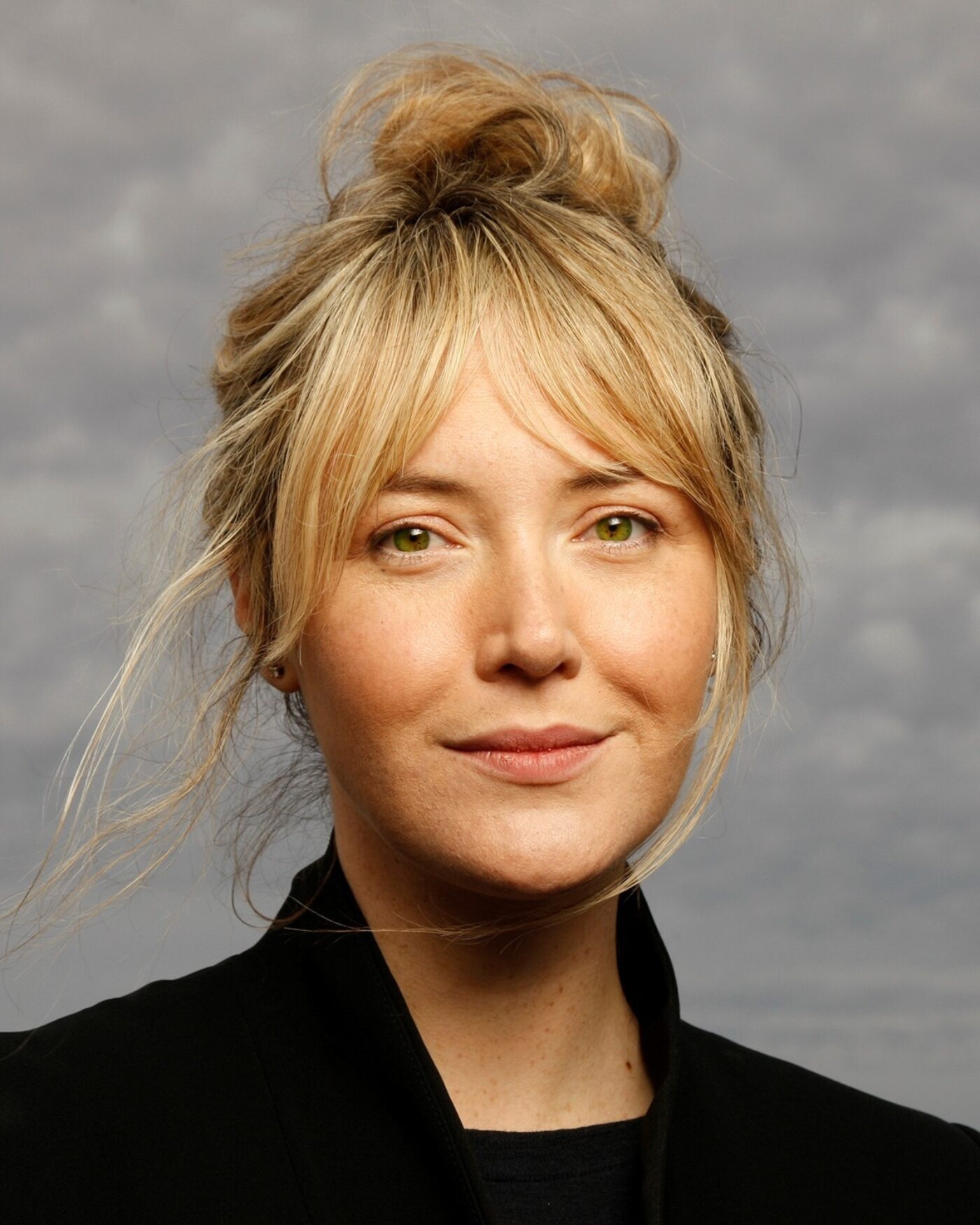
For the set and costume designer behind choreographer Melissa Hough’s world premiere Plagued Houses, the visual world of the ballet began not with Shakespeare’s Elizabethan England, but with 15th-century Verona.
A visit to Verona, Italy led Emma Kingsbury to an unexpected discovery: a collection of historic swords that offered a tangible connection to the period in which Shakespeare’s tragedy is set. From that starting point grew an abstract visual language built around a monumental sword, deep shadows, sculptural forms, geometric patterns and costumes designed for the dancers bringing these characters to life.
We spoke with Kingsbury about the research behind the production, collaborating with Melissa Hough, and finding new ways to tell one of Shakespeare’s most enduring stories through dance.
What influenced your visual approach to Plagued Houses?
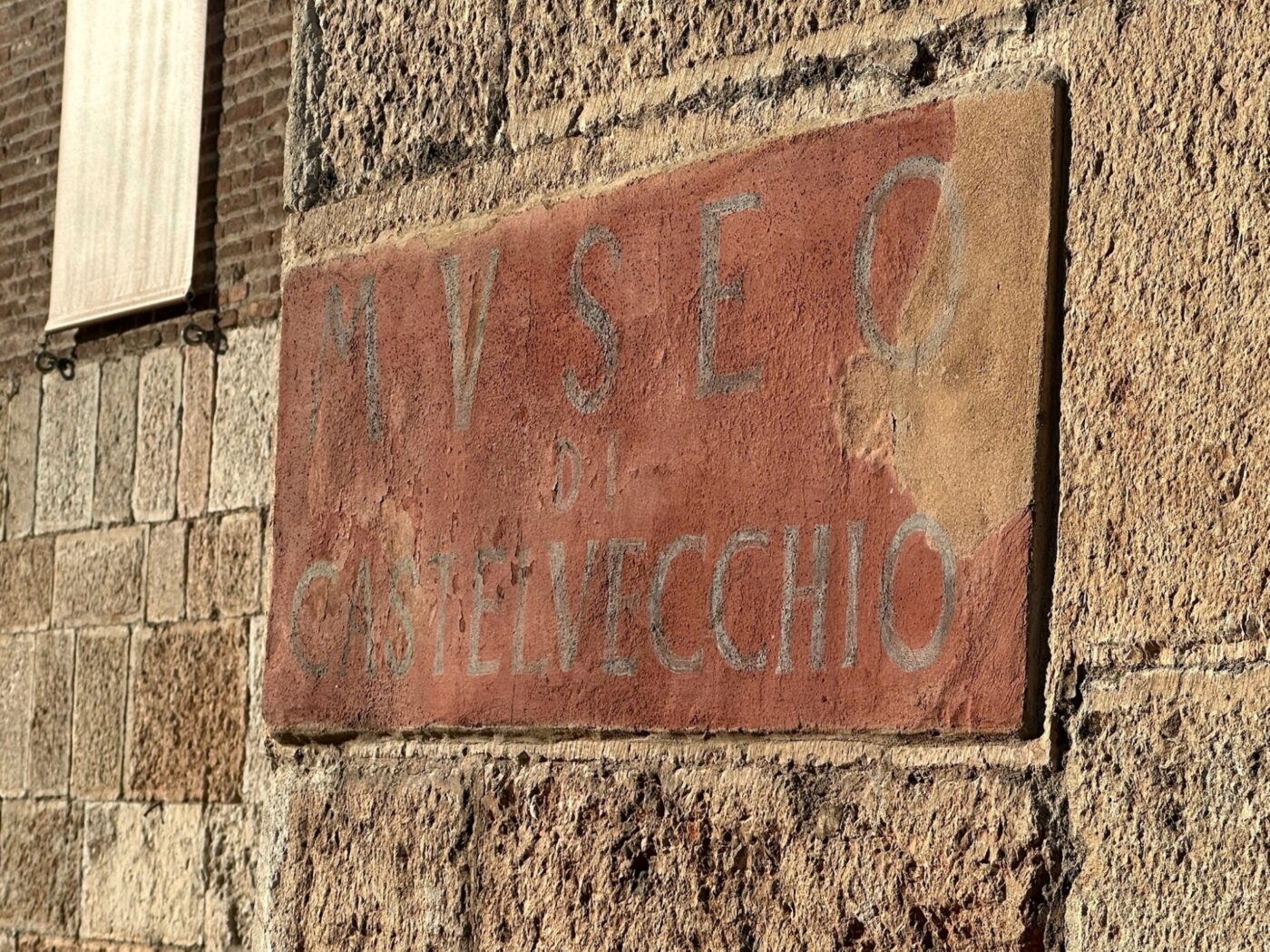
I was really influenced by the period in which Shakespeare set the play, rather than the Elizabethan period in which he wrote it. I was also very fortunate to have worked in Italy over the last few years, designing at La Scala. During one of our breaks last Christmas, I had the opportunity to visit Verona.
I started looking around some of the museums there, taking photographs of objects and artifacts, and came across these beautiful swords from the 15th century. They became a really valuable visual reference for me in thinking about the world of the play and ultimately inspired the set piece.
Why did the sword become such an important symbol for the production?
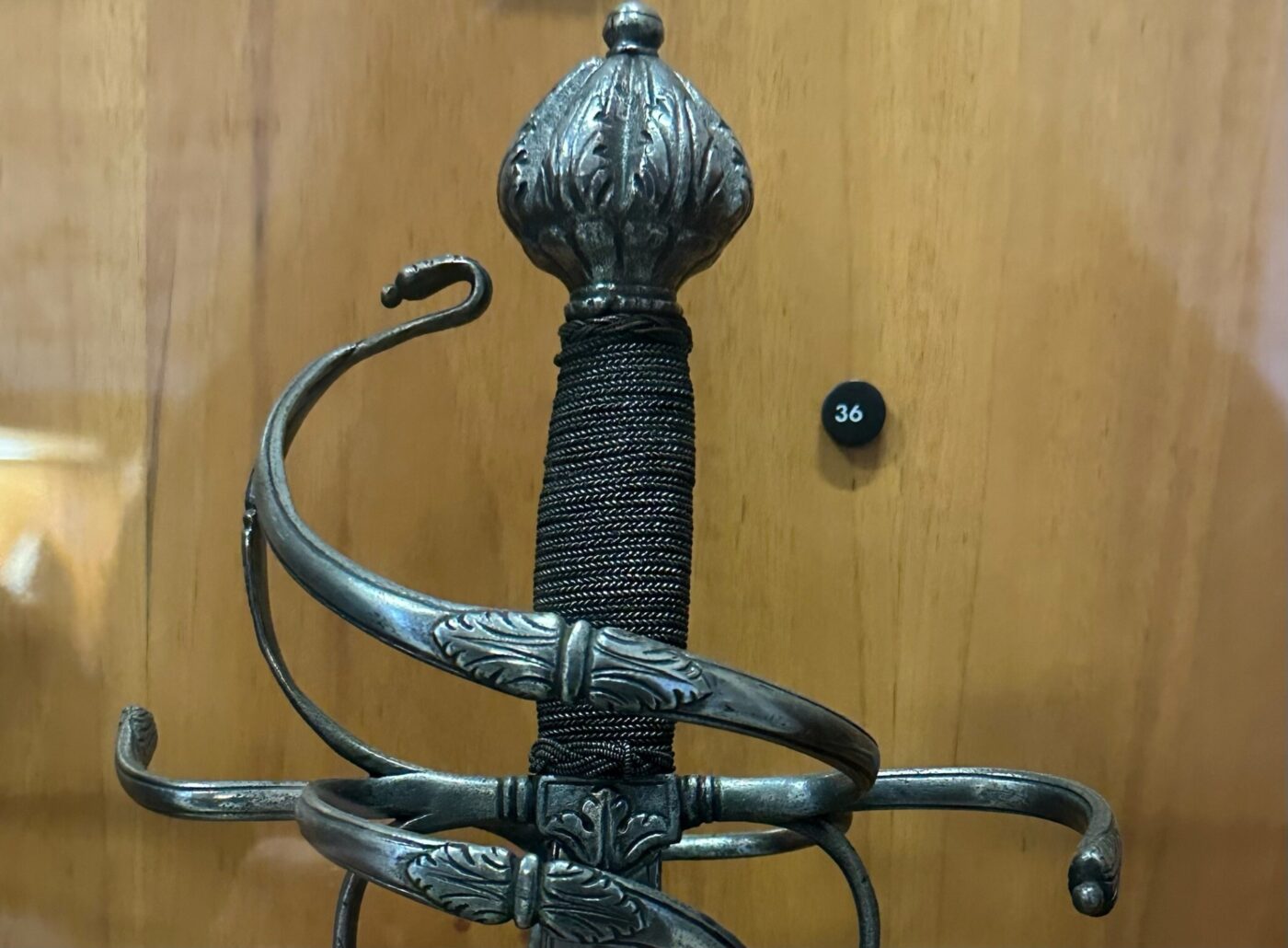
Hough loved the sword, and together we had this vision of it as a symbol of violence — something plunged into the stage. I think the name she ultimately chose for the ballet, Plagued Houses, is very appropriate. This is, of course, a story of romance and love, but it ends with terrible violence. There is violence and bloodshed throughout, and these two houses are constantly at war. So the sword seemed really appropriate.
How did you think about lighting in relation to the sword and scenic design?
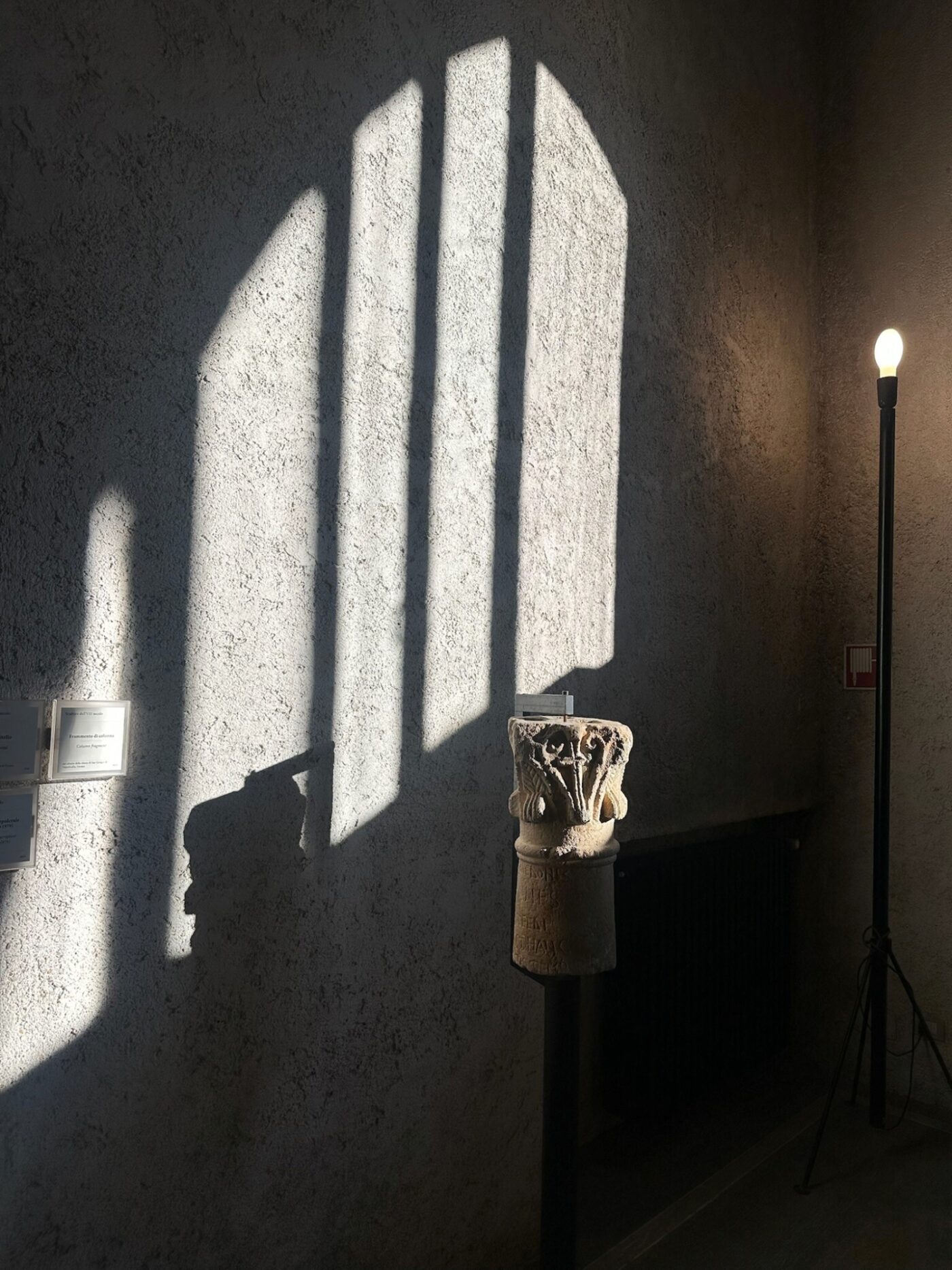
When I was in Verona, I was struck by the quality of the light. There were incredibly beautiful shapes and a low winter light that created wonderful shadows. Knowing what the sword would eventually look like as a sculpture, I knew it would cast shadows. It's quite skeletal in the way we've interpreted it, apart from the hilt. I've always thought about light and ballet together. Side light is such an important asset for making the dancers look really, really good. So I've imagined it having this beautiful side light.
Did Verona also influence your choices around fabrics, textures and color?
Yes, very much so, particularly in terms of the colors. It was winter when I was there, whereas we set Plagued Houses in summer. But that didn’t matter. I spent a lot of time looking at the paintings and the many patterns for inspiration. Hough and I took some of the tessellated and diamond patterns that would have been popular during the period and refigured them in our own way. Some of the headpieces and millinery featured in these paintings have also become key elements of the design.
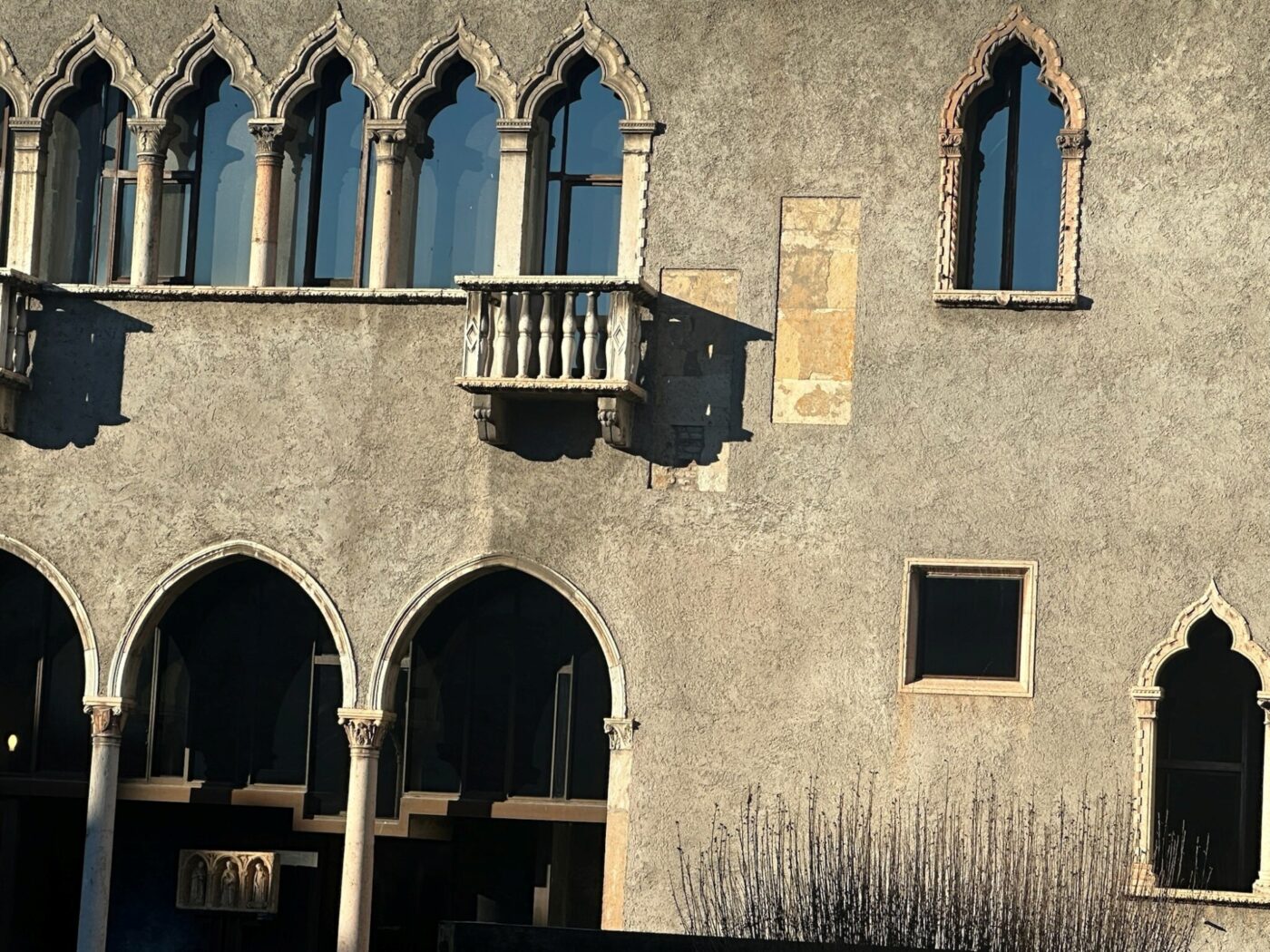
Having said all of that, we decided to approach Plagued Houses in a much more abstract storytelling sense. It's not literally the period of Romeo and Juliet, nor is it the Elizabethan period. We're touching on particular moments of iconography and expanding those ideas into something that is ultimately danceable.
How did you translate the traditional themes of Romeo and Juliet into a new visual language?
Using the sword as the centerpiece gave the scene a sense of grounding that felt almost historically accurate. But, of course, we've scaled it to an extreme. The very hilt of the sword becomes the balcony where Romeo and Juliet fall in love, or where they attempt to reach each other.
Once we had that architecture in place, we knew we were still working within a black box. We're not doing arches or some of the other ways ballet has traditionally interpreted Romeo and Juliet. There's a darkness with Plagued Houses, a sense of brooding, so the costumes had to stand out against the set.
We went through a lot of different color decisions, and Hough and I went back and forth quite a bit. She's been working in Norway, while I've been working around the world and am based in California, so much of the process happened remotely. When we came together at the beginning of the rehearsal process, we really started to establish the colors and confirm the silhouettes.

There was also something about the characters that Hough wanted to feel inherently cool. We have young people dancing these roles. Lord Capulet, for example, isn't necessarily the age you might traditionally imagine for the father of a 20-year-old son. We have younger ballet dancers taking on these roles, so it was also important to be honest about the people who are going to dance the piece and allow the designs to represent them.
Did watching the dancers in rehearsal influence your choices about fabrics and materials?
Definitely. It's my first time working with Hough, so it was really joyful to watch her begin her process. I was here right at the beginning of her first days of rehearsal. Those starting moments were really important, as I got to see how she was going to interpret these characters and relationships.
Within the Shakespearean text, there's the idea of the plague and a sense of a curse, so we were also thinking about how to differentiate the Montagues and the Capulets visually. I feel like everything we had discussed has really fallen into place. But, like any new work, the process also brought a lot of new discoveries.
Why do you think Romeo and Juliet continues to resonate today?
It's a story of two houses that feud with each other, and in some ways that's still such a modern story. I think Shakespeare is Shakespeare. You can't knock him for his timelessness in understanding human psychology and behavior. When you have these feuding houses, and then these plagued houses in the end, when the curse is put upon them by Mercutio “A plague on both your houses". I think it will just touch people in a way. It is fascinating human behavior, and it's universal. It crosses borders, boundaries and languages.
And one thing that's amazing about this ballet, of course, is that we don't have the text. Hough has taken this incredible risk in taking on Shakespeare when you're never going to hear the words spoken out loud. You're going to interpret the story through her language and her genius.
You've worked with Atlanta Ballet before. What has it been like to return?
I worked at Atlanta Ballet 11 years ago as a set designer on Camino Real, and I really enjoyed my experience then. So it's beautiful to come back. There are different heads of department this time, but the spirit of Atlanta Ballet is still the same spirit that existed when I was first here. I've really enjoyed the energy and the spirit of creating something new. It's not always that you get to have a set and costumes and get to be the person creating that world.
See Emma Kingsbury’s scenic and costume vision come to life onstage in Plagued Houses, part of Passion & Pride, September 18–20, 2026, at Cobb Energy Performing Arts Centre. Experience the world premiere for yourself — get your tickets now.